Aker Solutions will reduce capacity and headcount across several locations, with more than 500 positions potentially affected, as slower-than-expected project awards in oil, gas and renewable energy force the Norwegian engineering group to adjust its cost base ahead of 2026.
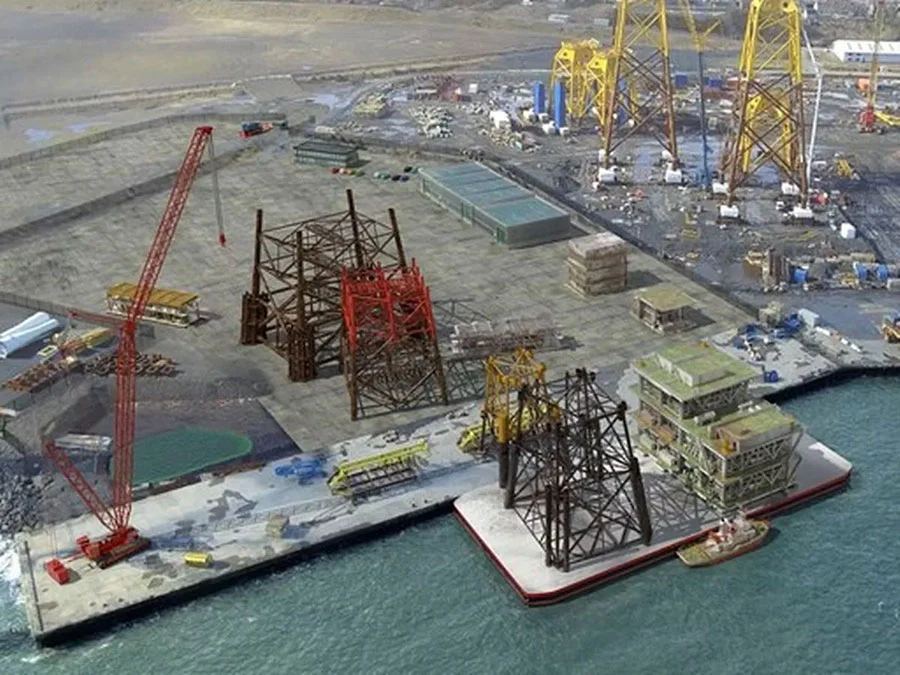
The company said the reductions could impact just over 500 of its roughly 12,000 permanent full-time employees. About 300 roles are linked to its yard in Verdal, central Norway, where changes are expected to take effect from early spring 2026. The remaining positions are spread across other sites in Norway and internationally, with some cuts already implemented.
Market and operational impact
The decision reflects a cooling project market following several years of elevated activity driven by temporary fiscal measures introduced by Norway’s parliament in 2020. Those incentives were designed to sustain offshore oil and gas investment while supporting a transition toward renewable energy, particularly offshore wind.
According to Aker Solutions, that transition is now progressing more slowly than anticipated, delaying final investment decisions and reducing near-term demand for large engineering, procurement and construction contracts. This has direct implications for yards, engineering teams and support functions that serve complex offshore developments.
For maritime, breakbulk and project cargo stakeholders, the slowdown may translate into fewer large module movements, reduced heavy-lift volumes and softer demand for specialized transport linked to offshore fabrication campaigns. The Verdal yard, a key supplier of steel substructures and topside components, has historically generated significant project cargo flows through regional ports.
The company said some locations are expected to maintain high activity levels in 2026. Measures are already in place to allow personnel from lower-activity sites to support busier operations, but management said this would not fully offset the need for workforce reductions.
Stakeholder reactions and next steps
“We still see many opportunities both in Norway and internationally, but the anticipated activity level means we must take action now to ensure the company’s robustness and sound financial management,” said Kjetel Digre, chief executive officer of Aker Solutions.
Digre said the total number of affected employees could change, depending on whether the company secures new projects in the coming months. He added that the adjustments would be carried out through a combination of natural attrition and redundancies.
“The industry has seen high activity in recent years as a result of the package of measures adopted in 2020,” Digre said, adding that the slower pace of renewable project awards is now being felt across the supplier sector.
The company said it will conduct the process in close cooperation with employee representatives, stressing transparency and consideration for those affected. Roles at production facilities, engineering departments and support functions are all within scope.
Wider context and industry outlook
Norway’s offshore supply chain has been navigating a delicate handover from oil and gas-led investment to renewable energy-driven growth. While offshore wind and electrification projects remain central to long-term strategy, timelines have stretched as developers contend with higher costs, regulatory complexity and financing challenges.
For logistics providers, the adjustment underscores the cyclical nature of project cargo demand. When large offshore awards are delayed, the effects ripple through fabrication yards, ports, heavy-lift operators and specialized carriers. The question facing the market is whether new energy projects will accelerate quickly enough to absorb spare capacity before further restructuring occurs.
Digre said Aker Solutions is already seeing results from internal improvement programs, including new technology and more efficient work processes that reduce costs for customers and strengthen competitiveness. He added that the company is expanding offerings in new areas to improve its chances of winning additional work as market conditions evolve.
“The supplier industry is familiar with fluctuations, but processes involving significant restructuring are still demanding,” Digre said.
“From our platform to LinkedIn’s energy professionals – your announcements reach the entire sector’s network, not just our readers.”